Top Tips for Furniture Assembly and Installation

Assembling and installing furniture can often feel like a daunting task. Whether you're moving into a new home, redecorating, or simply upgrading your space, the thought of putting together a new piece can be overwhelming. However, with the right approach and some handy tips, you can make the process smoother and more enjoyable. In this post, we’ll explore essential strategies for successful furniture assembly and installation, ensuring that you can create your ideal living space without unnecessary stress.
Understanding Your Furniture
Before diving into assembly, it's crucial to understand the furniture you're working with. Here are some steps to take:
Read the Instructions Carefully
Every piece of furniture comes with a manual. While it might be tempting to skip this step, taking the time to read the instructions can save you from mistakes later on. Look for:
Diagrams: Visual aids can help clarify complex steps.
Parts List: Ensure you have all the necessary components before starting.
Identify All Parts
Lay out all the parts and hardware on a flat surface. This will help you:
Check for Completeness: Make sure nothing is missing.
Organize Components: Group similar items together for easier access.
Tools You’ll Need
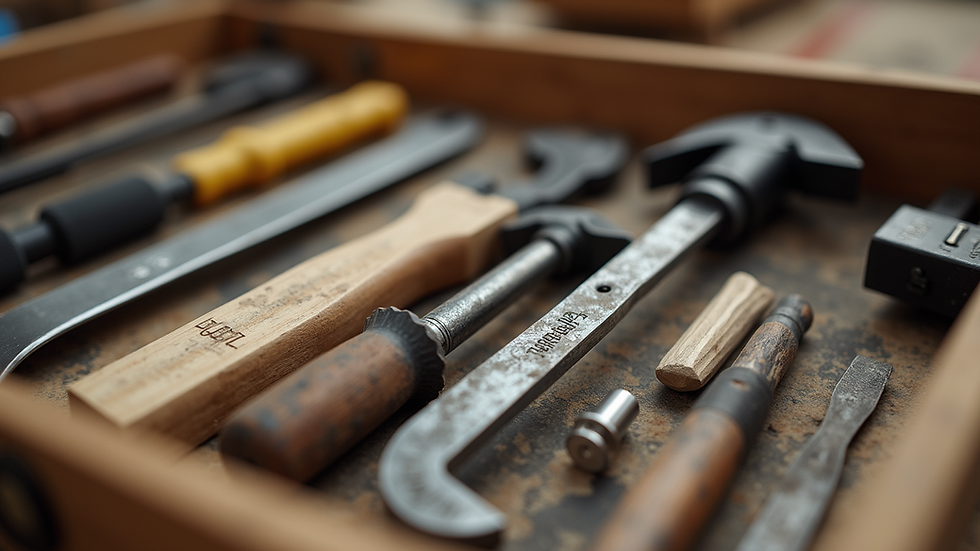
Having the right tools can make a significant difference in your assembly experience. Here’s a list of essential tools:
Screwdriver: A Phillips and flathead screwdriver are often required.
Allen Wrench: Many furniture pieces come with this tool for assembly.
Hammer: Useful for tapping in dowels or securing parts.
Level: Ensures your furniture is straight and stable.
Preparing Your Space
Creating a conducive environment for assembly can enhance your efficiency. Consider the following:
Clear the Area
Make sure you have enough space to work. Clear out any obstacles and ensure the floor is clean to avoid losing small parts.
Use a Soft Surface
Assemble your furniture on a soft surface, like a carpet or rug, to prevent scratches. This also provides a comfortable area to kneel or sit while working.
Step-by-Step Assembly Process
Now that you're prepared, let’s break down the assembly process into manageable steps.
Start with the Base
Assemble the Base: Begin with the bottom part of the furniture. This could be legs or a frame.
Secure with Screws: Use screws to attach the base securely. Make sure they are tight but avoid over-tightening, which can damage the material.
Build Upwards
Attach Side Panels: Once the base is secure, attach the side panels. Ensure they align properly with the base.
Check for Stability: Before moving on, check that the structure is stable.
Add Shelves or Drawers
Install Shelves: If your furniture includes shelves, install them next. Use the provided brackets or pins for support.
Attach Drawers: For pieces with drawers, follow the instructions carefully to ensure they slide smoothly.
Final Touches
Add Finishing Pieces: Attach any remaining components, such as backs or decorative elements.
Inspect Your Work: Go through each step to ensure everything is secure and properly aligned.
Installation Tips
Once your furniture is assembled, it’s time to install it in your desired location. Here are some tips to make this process easier:
Measure Your Space
Before moving heavy furniture, measure the area where it will go. This will help you avoid any surprises and ensure a good fit.
Use a Helper
For larger pieces, having a friend or family member assist can make the process safer and more efficient. They can help lift and maneuver the furniture into place.
Level It Out
Once in position, use a level to ensure your furniture is straight. Adjust legs or use shims if necessary to achieve balance.
Troubleshooting Common Issues
Even with careful planning, you may encounter some common issues during assembly. Here’s how to handle them:
Missing Parts
If you find that you’re missing a part, check the packaging thoroughly. Sometimes, small components can get stuck in the packaging. If you still can’t find it, contact the manufacturer for replacements.
Misaligned Pieces
If parts don’t seem to fit together, double-check the instructions. It’s easy to skip a step or misinterpret a diagram. If necessary, disassemble the affected area and try again.
Wobbly Furniture
If your furniture feels unstable, ensure all screws are tightened and that it’s on a level surface. If it’s still wobbly, consider using furniture pads or shims to stabilize it.
Maintenance Tips
Once your furniture is assembled and installed, proper maintenance will ensure its longevity. Here are some tips:
Regular Checks
Periodically check screws and joints to ensure they remain tight. This is especially important for items that see frequent use, like chairs and tables.
Clean Properly
Use appropriate cleaning methods for the material of your furniture. For example, wood may require a different cleaner than metal or fabric.
Avoid Overloading
Be mindful of weight limits, especially for shelves and cabinets. Overloading can lead to damage and instability.
Conclusion
Assembling and installing furniture doesn’t have to be a stressful experience. By following these tips and taking your time, you can create a beautiful and functional space in your home. Remember to read instructions carefully, use the right tools, and maintain your furniture for long-lasting enjoyment. Happy assembling!


Comments